Altitude Sickness in Durango: How to Adjust Quickly
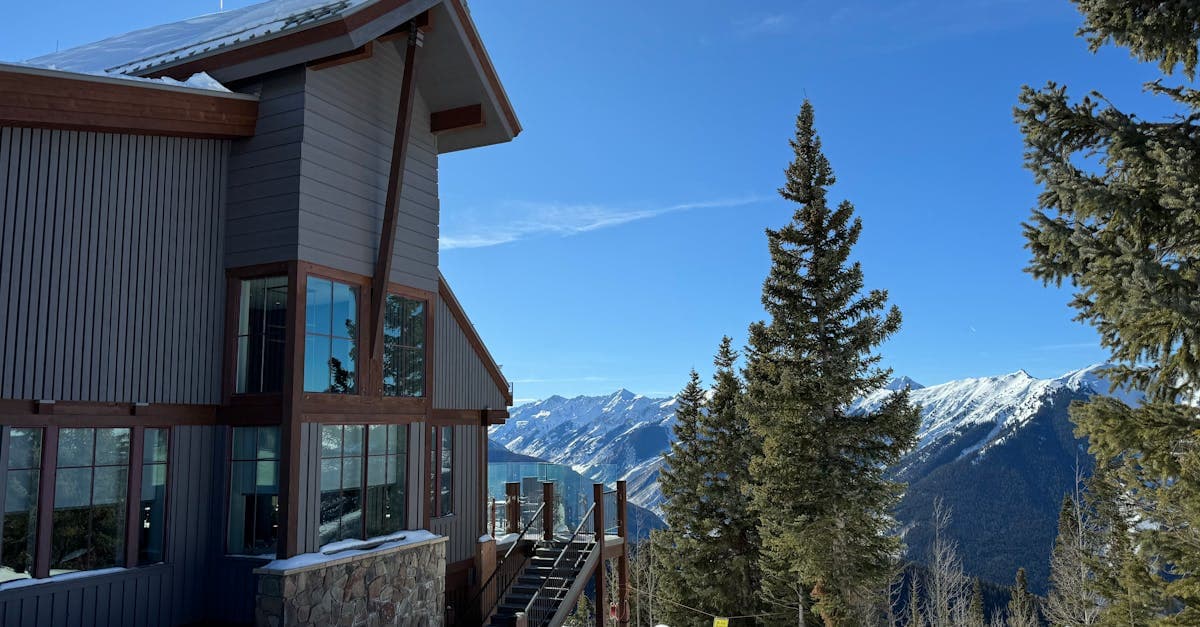
Durango sits at 6,500 feet. Purgatory's base is 8,793 feet. The summit is 10,822 feet. If you're coming from sea level, your body will notice.
What Altitude Does
At higher elevations, there's less oxygen in each breath. Your body has to work harder to do everything — walking, hiking, skiing, even sleeping. Common symptoms include headaches, fatigue, shortness of breath, and difficulty sleeping. Most people adjust within one to two days.
How to Prepare
Hydrate aggressively. Start drinking extra water the day before you arrive and continue throughout your trip. The mountain air is dry, and dehydration makes altitude symptoms worse.
Take it easy on day one. Don't plan a 10-mile hike for your first day. Walk around town, take a short hike, and let your body acclimate.
Limit alcohol the first night. Alcohol hits harder at altitude and contributes to dehydration. Save the brewery crawl for day two.
Eat well. Carbohydrates are your friend at altitude. Your body burns more calories at elevation, so eat frequently.
If Symptoms Hit
Mild headache and fatigue are normal. Ibuprofen helps with headaches. If symptoms are more severe — persistent nausea, confusion, or severe headache — descend to lower elevation and seek medical attention.
The Good News
Most visitors from lower elevations adjust within 24-48 hours. By day two, you'll feel closer to normal. By day three, you'll be ripping down ski runs without thinking about it.
Both of our Purgatory townhomes — Basecamp and Timberline — are right across from the resort with hot tubs, EV chargers, and free shuttle access.
Planning a trip to Purgatory? Check availability at purgatory.pretzinger.com
Planning a trip to Purgatory? Check availability and book direct — save 10-15% vs Airbnb/VRBO.